
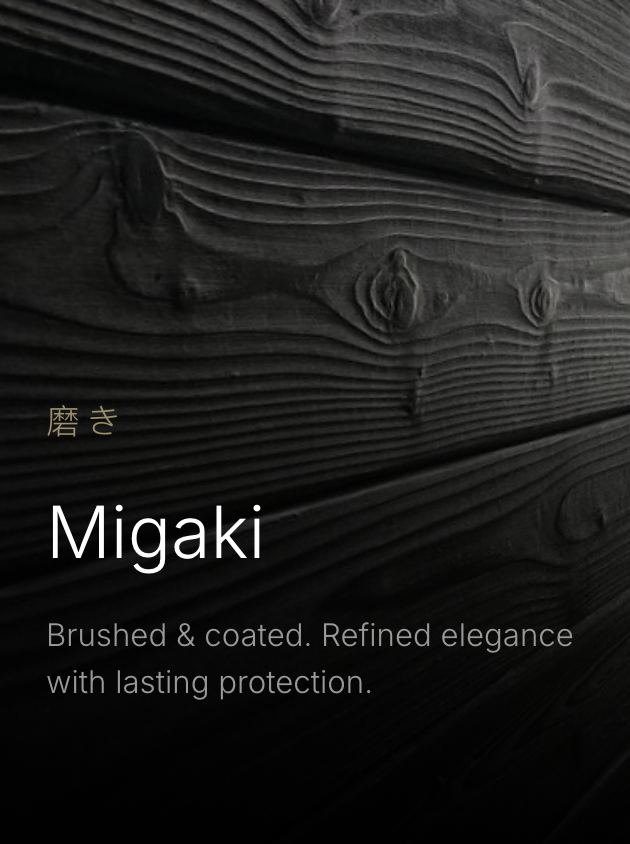
MIGAKI 磨き
Brushed & coated. Refined elegance with lasting protection.
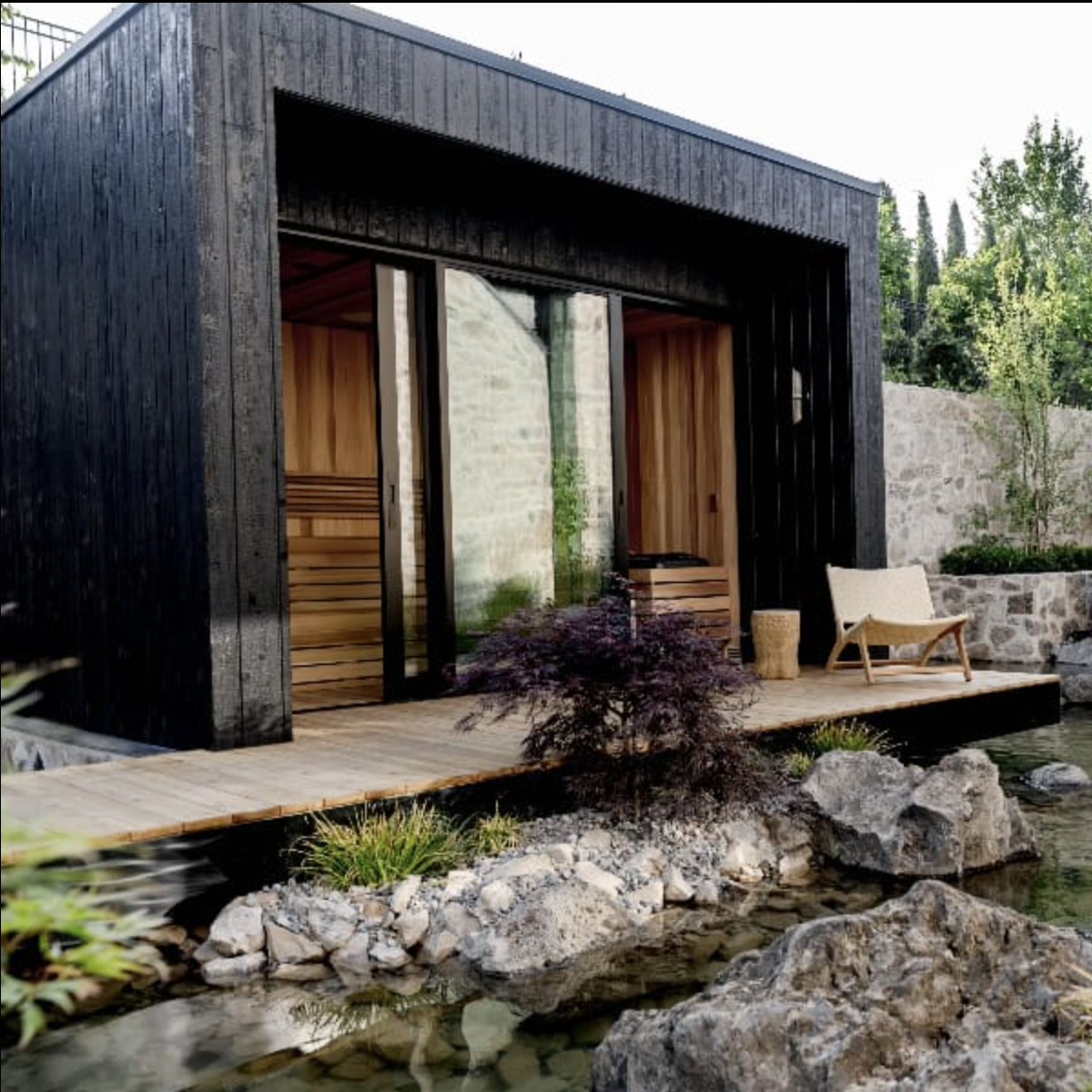
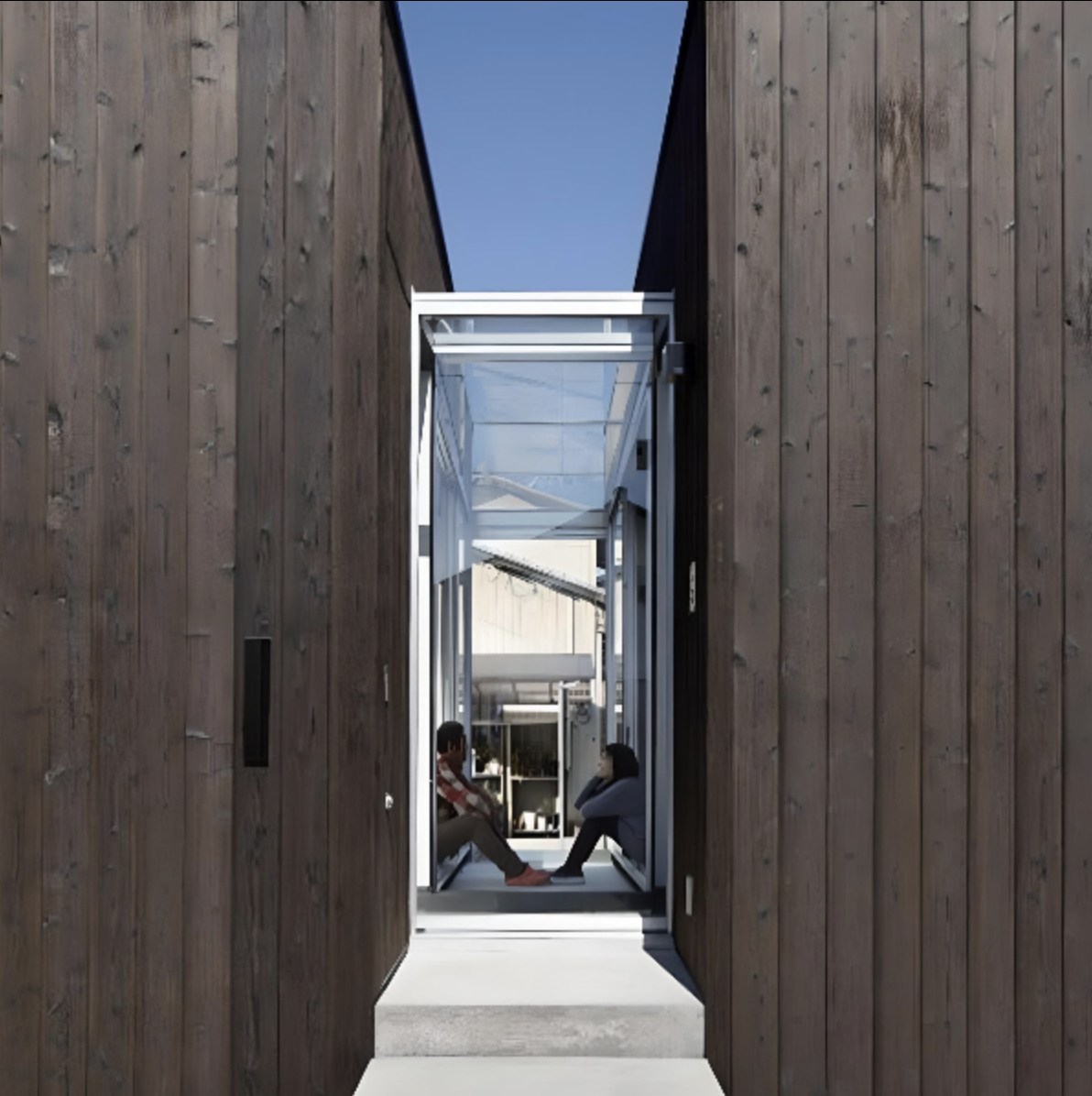
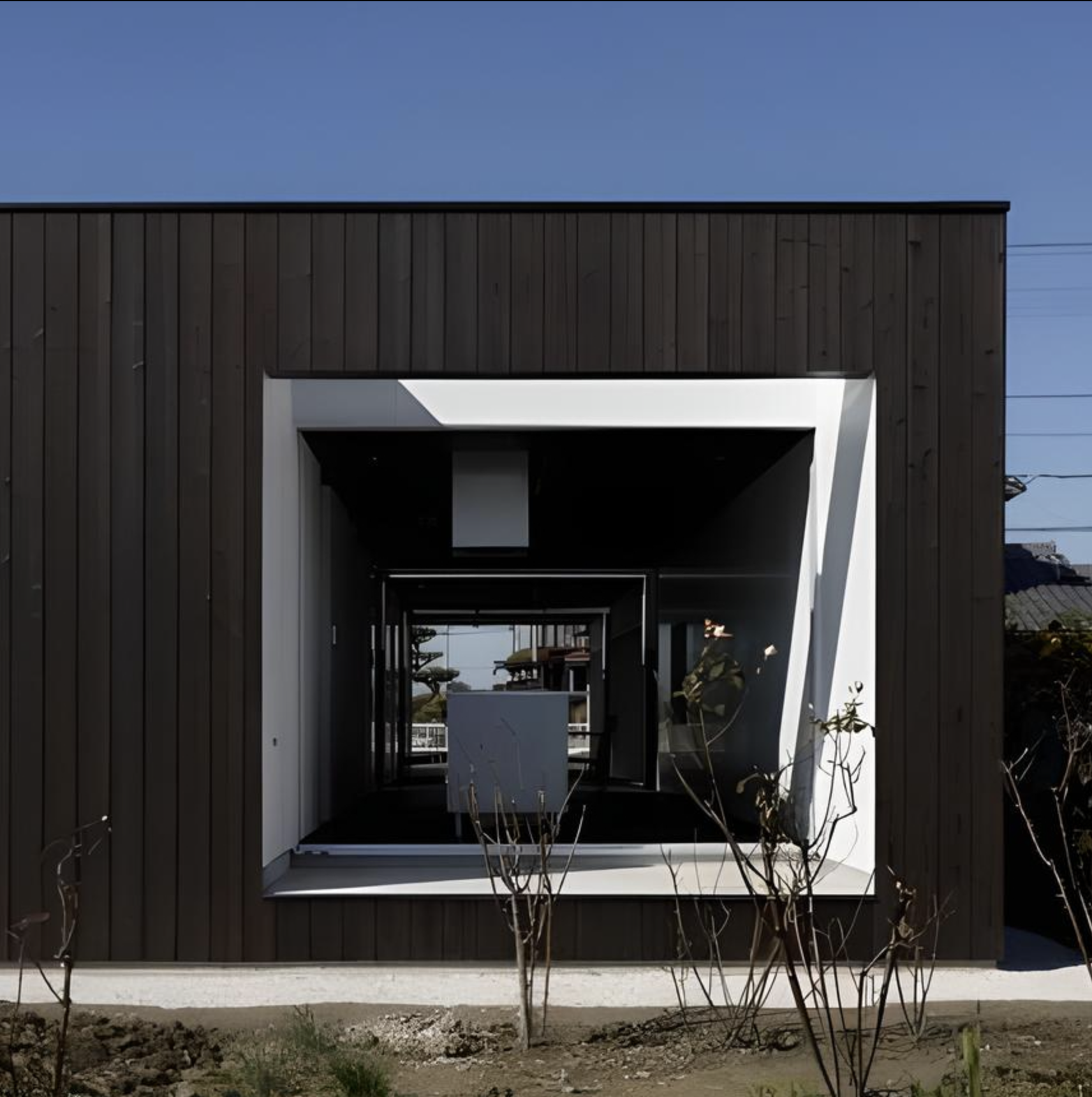
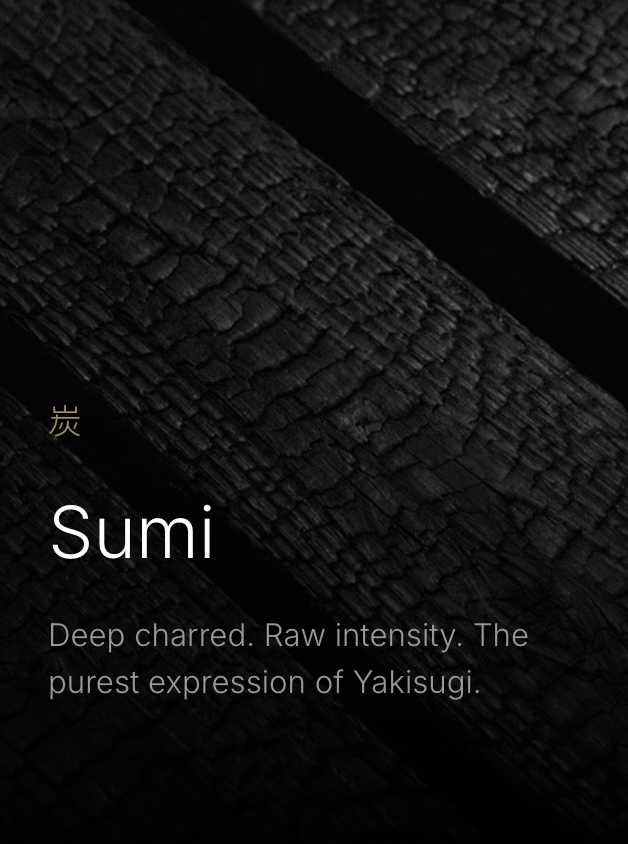
MIGAKI is a refined version of SUMI, achieved by lightly brushing the charred surface to expose the softer layers of the wood while retaining the essence of the Yakisugi finish. This process reveals a stunning contrast between the charred portions and the natural wood grain, creating a beautiful, textured appearance. The name "Migaki" reflects the polishing and brushing technique applied after the charring process, enhancing its subtle beauty and making it ideal for both interior and exterior applications where a striking yet balanced look is desired.
-
Download Migaki Spec Sheet (PDF)
Coating: 2X Polyurethane
Finish: Charred - deep carbonization all four sides at 1700C+
Moisture Content: Kiln-dried KD 12% (+/-2%)
Species: Cryptomeria Japonica
Origin: 100% Made in Japan
Decay Resistance: +72% vs. untreated spruce/pine
Moisture Absorption: 92% reduction vs. untreated wood
Expected Lifespan: 80-100+ years
-
1 x 6 × 6
1 x 6 × 9
1 x 6 × 12
Profiles: Shiplap, tongue and groove, and v-groove.
-
Each board is unique - slight variations in pattern and depth are natural and expected.
Handle with care during installation. Wear gloves and protect adjacent surfaces.
Suitable for both interior and exterior applications.
Fire resistance is enhanced - longer ignition delay and reduced flame spread.
Natural silver-gray patina develops over time when exposed to UV.
Minimal maintenance - no painting, staining, or chemical treatment needed.
For exterior use, install as rain screen with adequate ventilation gap.
Coat all field cuts and rips with touch-up oil or matching stain.
-
Complete installation manual available upon request.
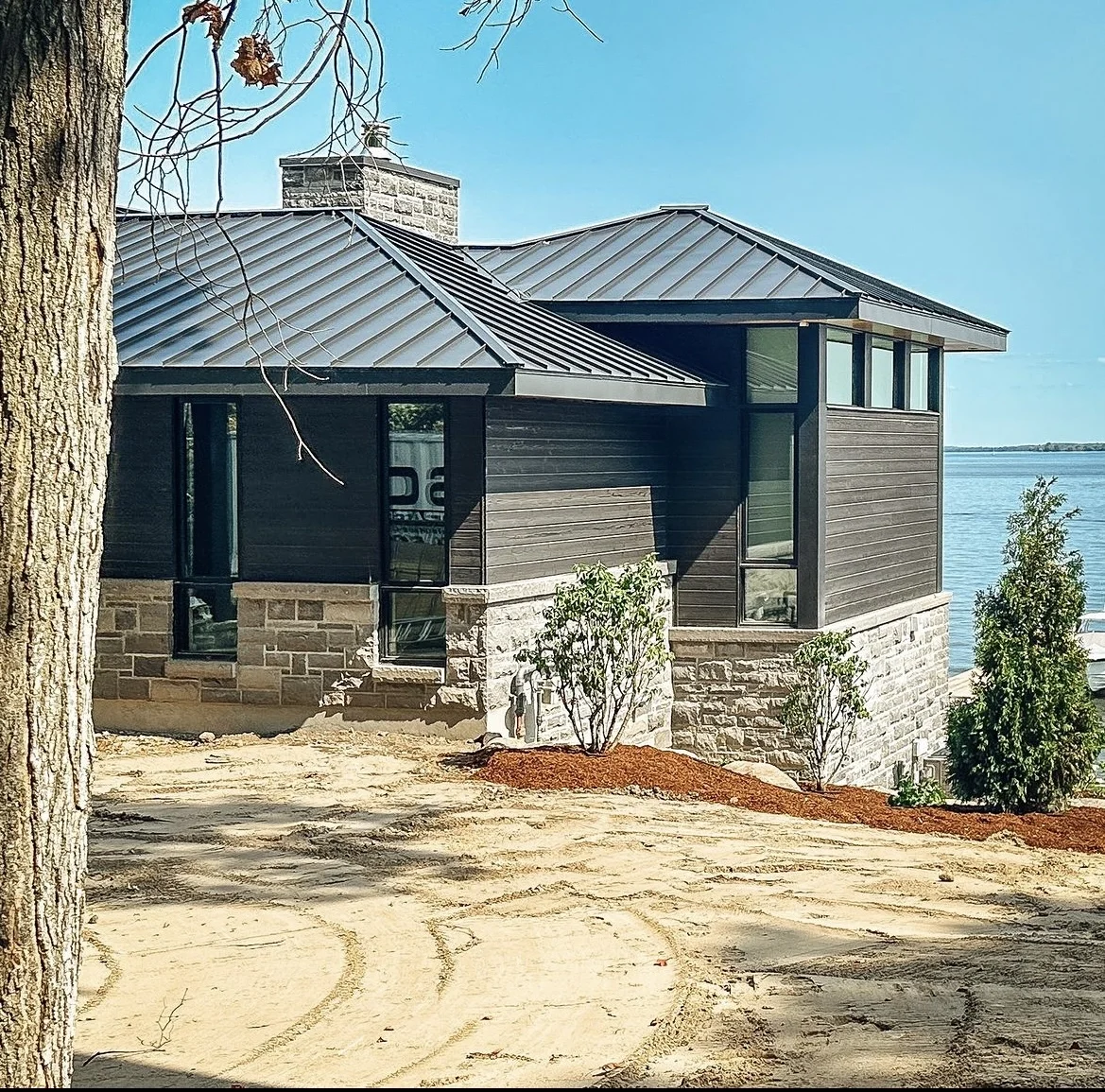
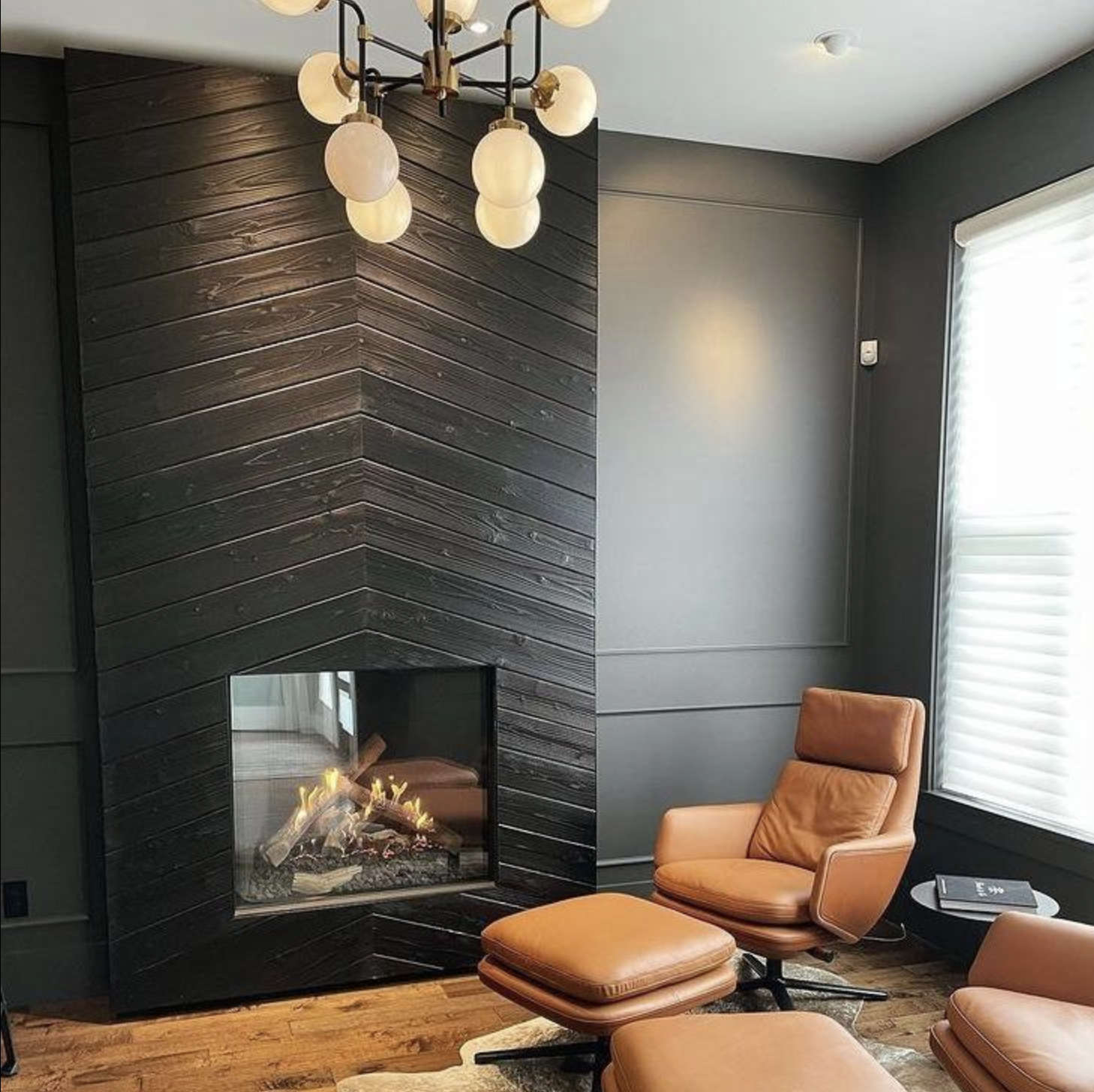
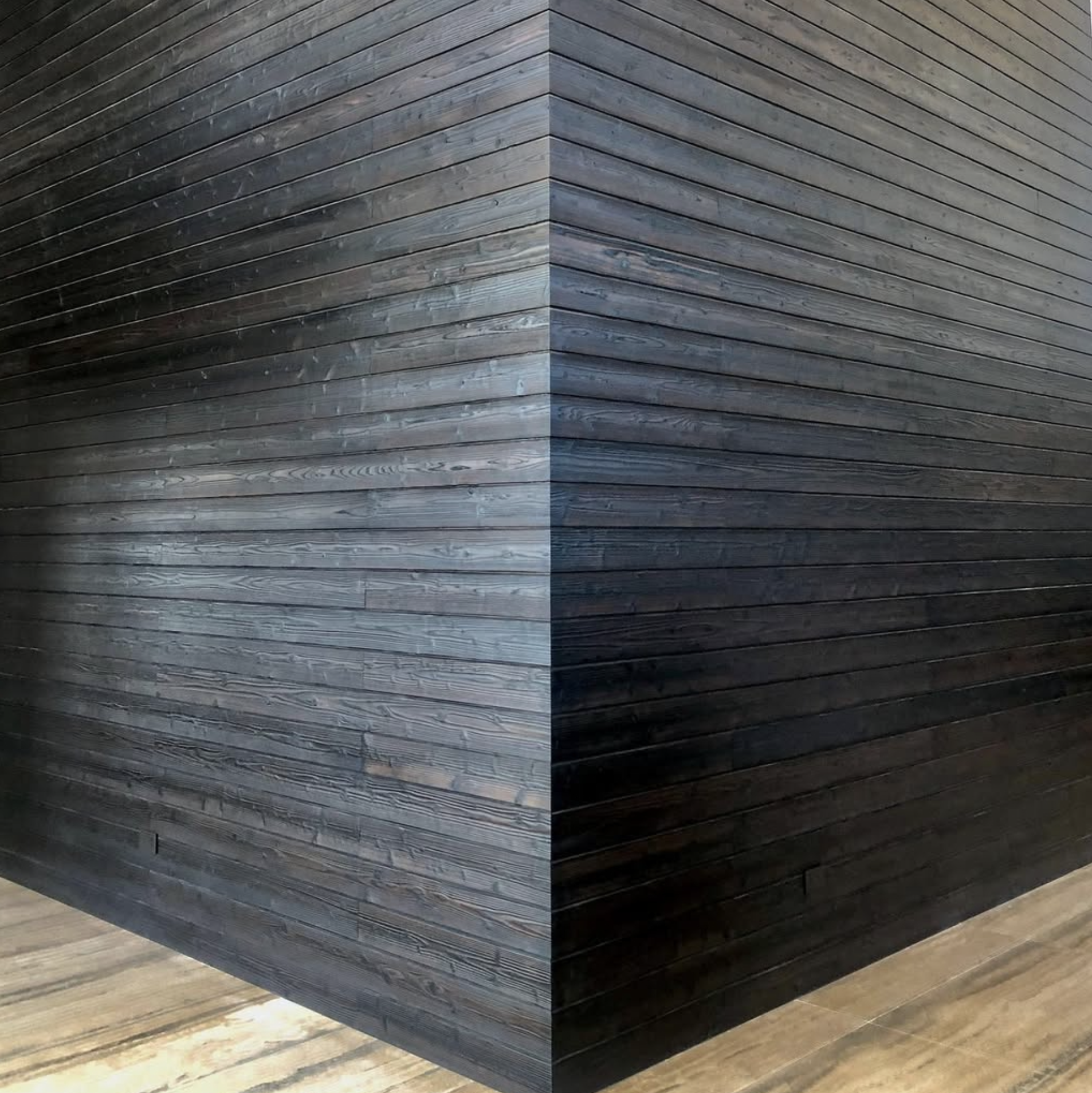
Made with Migaki 磨き
Related Products
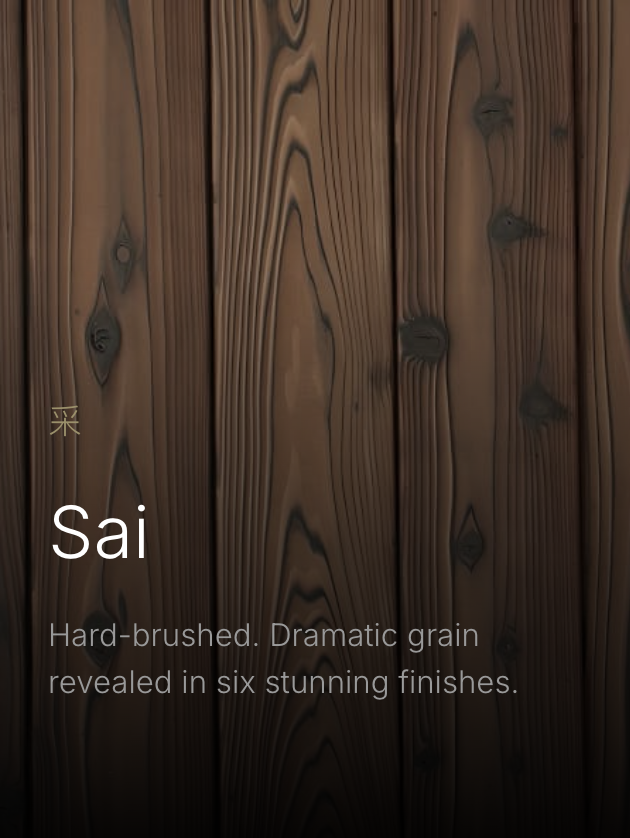
NAGURI ナグリ
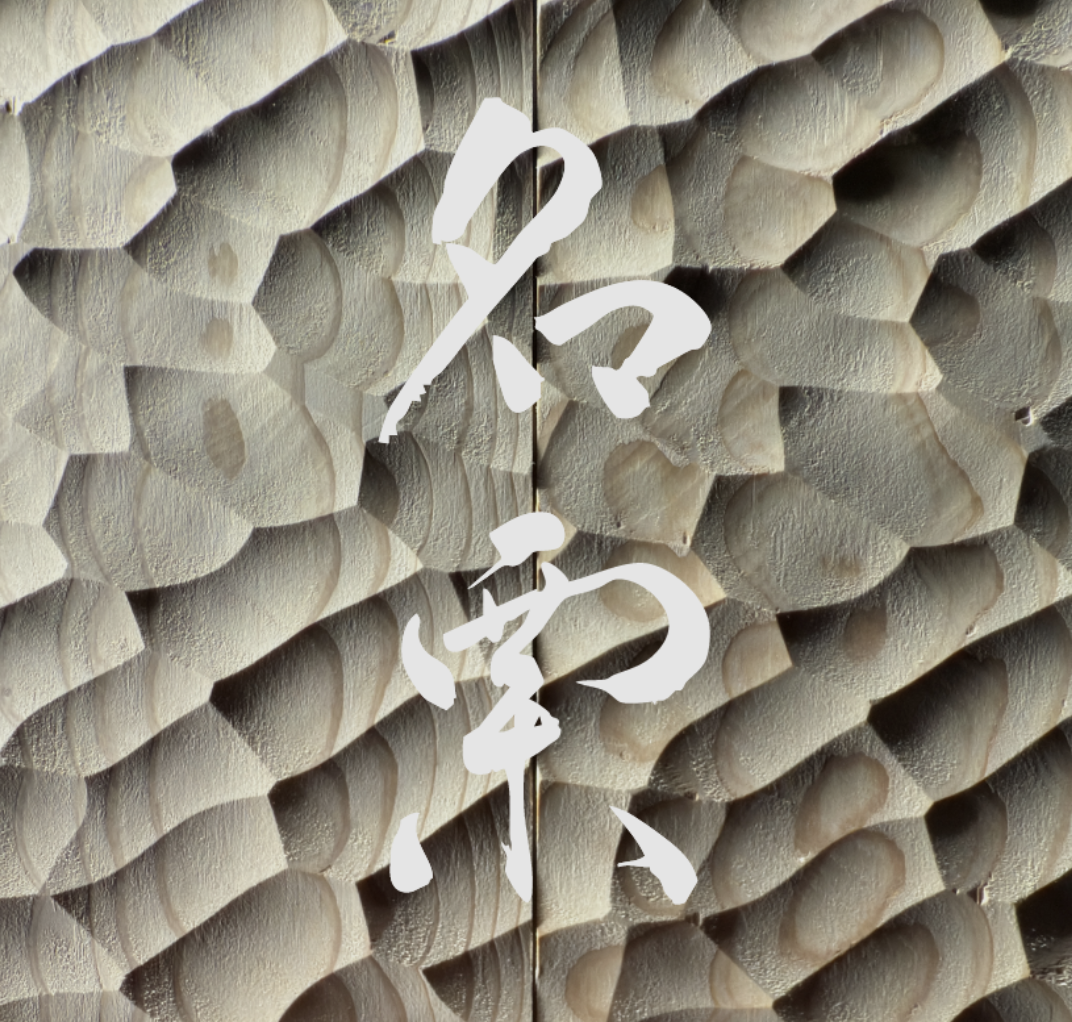
Not charred - carved. Traditional hand-adzing in 8 patterns.
"Naguri" is a traditional Japanese woodworking technique in which the surface of the wood is carved or hammered. This method is commonly found in the construction of traditional Japanese houses, temples, and shrines. The surface of the wood is intricately scratched by carving or hammering to create a distinctive texture. This technique has been used for furniture and building materials in various applications, and it continues to be appreciated today in contexts where its traditional beauty and durability are highly valued.
Not sure which product is right for your project?